English| EUR
Suggested for you
More currencies
Book Now
Open today · 07:00–18:00

Oahu Whale Watching Tour

Oahu Whale Watching Tour — Humpback Season Cruises

Morning departures across Oahu's southern and western shores, December through April's migration window

50K+ travelers chose this
Free Cancellation
Right now: Moderate — seasonal peak demand Check marine forecasts before your oahu whale watching tour departs.
Free Cancellation
Free cancellation Instant confirmation Mobile voucher Verified partner Expert naturalists
11K+
Annual visitors
Humpback whales migrating to Hawaii
60 ft
Max length
Size of an adult humpback whale
40 tons
Avg weight
Typical adult humpback whale mass
100 yards
Safety distance
Legal requirement for vessel approach
7 months
Season duration
November to May migration period
Choose your ticket

Oahu Whale Watching tickets at a glance

Compare fares, pick the fit — all bookings are mobile-voucher and eligible for free cancellation where shown.

Humpback Whale Watching Catamaran Cruise from Waikiki 2 hr
Standard Entry

Humpback Whale Watching Catamaran Cruise from Waikiki

4.1 (53)
€46
  • Entry ticket
  • Mobile voucher
  • Valid same day
  • Free cancellation
Book this ticket
West Oahu Humpback Whale Watching Sail 2 hr
Standard Entry

West Oahu Humpback Whale Watching Sail

4.6 (42)
€77
  • Entry ticket
  • Mobile voucher
  • Valid same day
  • Free cancellation
Book this ticket
Compare options

Compare Oahu Whale Watching ticket options

Selecting the right oahu whale watching tour depends on your preference for vessel size and the level of amenities offered during your ocean excursion. Visitors can choose between various boat operators to enjoy sightings of humpback whales in their natural habitat.

Shore-based Viewing No-cost Entry Top pick
Public Boat Tour Operator Fees
Private Charter Exclusive Booking
Access Method Self-guided Customized Timing
Marine Observation Coastal vantage points Exclusive vessel use
Onboard Amenities None Full custom service
Wait Time None Pre-arranged schedule
Best For Budget travelers Private groups

Verdict: First-time visitors should prioritize a public boat oahu whale watching tour tickets for the optimal balance of professional guidance and ocean access, while those seeking flexible oahu whale watching tour tours may prefer private charters.

Is an Oahu Whale Watching Tour Worth the Cost?

Worth it during humpback season for wildlife enthusiasts

An oahu whale watching tour delivers value primarily between December and April when North Pacific humpback whales migrate through Hawaiian waters. Shore-based viewing at lookout points costs nothing, but boat tours provide proximity and expert naturalist commentary that shore spotting cannot match. Catamaran options with stable platforms suit families and first-timers seeking comfort, while smaller sail vessels offer closer marine encounters for dedicated wildlife watchers. Glass bottom boat experiences add underwater visibility as a bonus feature. Success rates hover around 80–90% during peak season (January–March), dropping significantly outside migration windows when operators often pivot to dolphin or reef tours. The typical 2–3 hour oahu whale watching tour tours price between moderate and premium tiers depending on vessel size and included amenities like breakfast or lunch. Sighting guarantees are rare—whales follow their own schedule—but morning departures align with calmer sea conditions and higher surface activity. For visitors prioritizing marine wildlife over generic ocean cruises, the investment pays off when timed correctly within humpback season.

What makes it worth it

  • High sighting success during peak migration months
  • Naturalist guides provide educational whale behavior context
  • Catamaran stability reduces seasickness for most guests
  • Glass bottom viewing adds coral reef dimension
  • Morning tours maximize calm water and whale activity

Keep in mind

  • Minimal whale activity outside December–April season
  • No refunds if whales surface far from boat
  • Crowded boats during January–February peak weeks
  • Additional costs for premium seating or meals

Bottom line: Book oahu whale watching tour tickets between January and March for the strongest combination of sighting probability and educational value.

Head to head

Oahu Whale Watching Tour vs Shore-Based Whale Spotting

They complement each other, but most visitors who do both call the boat excursion the more immersive way to encounter these marine mammals. Opting for an oahu whale watching tour offers a deeper perspective on the migration patterns of humpback whales compared to land-based observation.

Top pick
Oahu Whale Watching Tour
Shore-Based Viewing
Proximity to whales Distant horizon views
Cost 0 USD
Flexibility Anytime access
Duration Self-determined
Likelihood of sightings Variable based on patience
Perspective Elevated coastal lookouts

Verdict: Securing oahu whale watching tour tickets provides superior wildlife engagement, whereas coastal scanning offers a low-pressure, free alternative for those with flexible schedules.

Featured Experiences

Popular Oahu Whale Watching tours & activities

Hand-picked experiences loved by thousands of travelers

Recommended Experience

Powered by GetYourGuide

Another traveler favorite

Powered by GetYourGuide
Waikiki Morning Whale Watching Catamaran Cruise 2 hours Free Cancellation

Waikiki Morning Whale Watching Catamaran Cruise

Sail along Oahu's coast to witness humpback whales in their natural habitat with drinks and expert commentary

4.4 (119)
FromFrom €85.25
See details
Waikiki Whale Watching Glass Bottom Boat Experience 2 hours Free Cancellation

Waikiki Whale Watching Glass Bottom Boat Experience

Two-hour guided humpback whale encounter with underwater viewing and guaranteed sighting policy

4.1 (31)
FromFrom €49.55
See details
Waikiki Whale Watching Cruise with Refreshments 2 hours Free Cancellation

Waikiki Whale Watching Cruise with Refreshments

Watch humpback whales from a two-deck vessel while enjoying donuts, coffee, and live hula performance

4.9 (13)
FromFrom €86.11
See details
Humpback Whale Watching Adventure 2 hours Free Cancellation

Humpback Whale Watching Adventure

Two-hour ocean voyage to observe humpback whales breaching and tail-slapping off Oahu's coastline

4.3 (4)
FromFrom €45.9
See details
Humpback Whale Watching Cruise with Morning Refreshments 2 hours Free Cancellation

Humpback Whale Watching Cruise with Morning Refreshments

Observe majestic humpback whales from Hawaii's biggest cruise ship with multiple viewing levels

FromFrom €73.19
See details
Humpback Whale Watching Cruise from Waikiki 2 hours Free Cancellation

Humpback Whale Watching Cruise from Waikiki

Two-hour ocean excursion aboard a stable trimaran to observe majestic humpback whales off Oahu's coast

5 (2)
FromFrom €74.13
See details
Waikiki Humpback Whale Watching Cruise 2.5 hours Free Cancellation

Waikiki Humpback Whale Watching Cruise

Spot majestic humpback whales in Hawaiian waters on this scenic morning or sunset cruise from Waikiki

3.9 (6)
FromFrom $80
See details
West Oahu Whale Watching Experience 2.5 hours Free Cancellation

West Oahu Whale Watching Experience

Intimate small-group marine safari to observe migrating humpbacks along Waianae's pristine coastline

FromFrom $198.95
See details
The experience

What visiting Oahu Whale Watching is really like

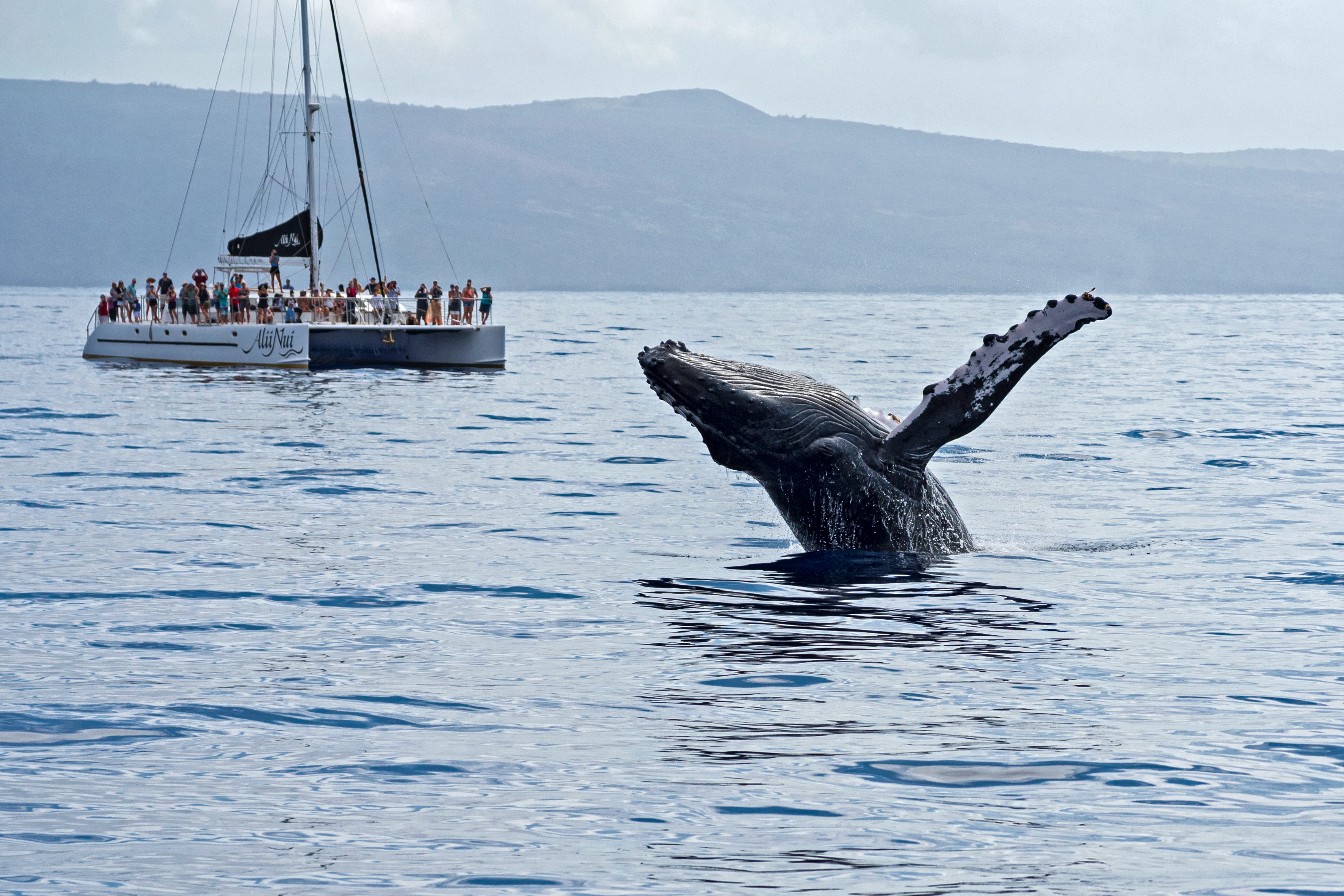
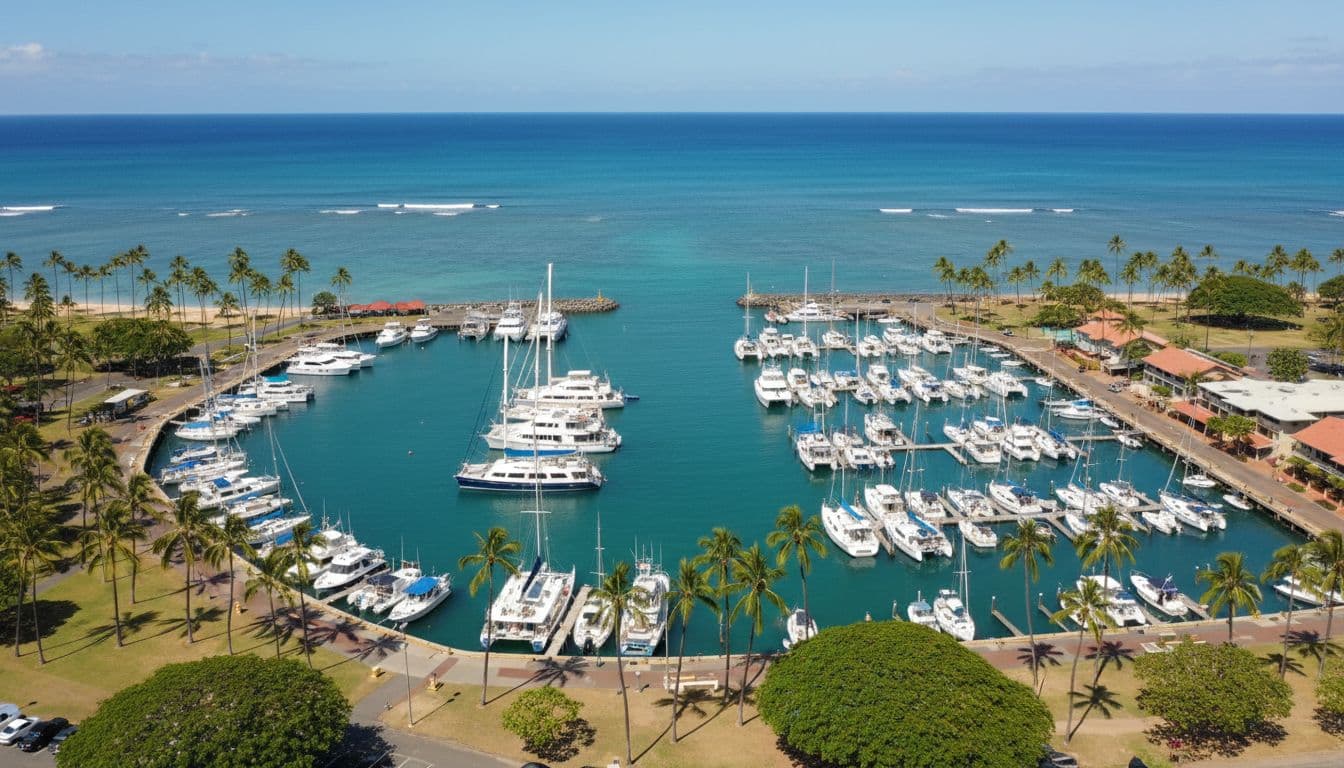
You board at Kewalo Basin shortly after dawn, stepping onto a wide catamaran deck already crowded with binoculars and cameras.

Read more Show less

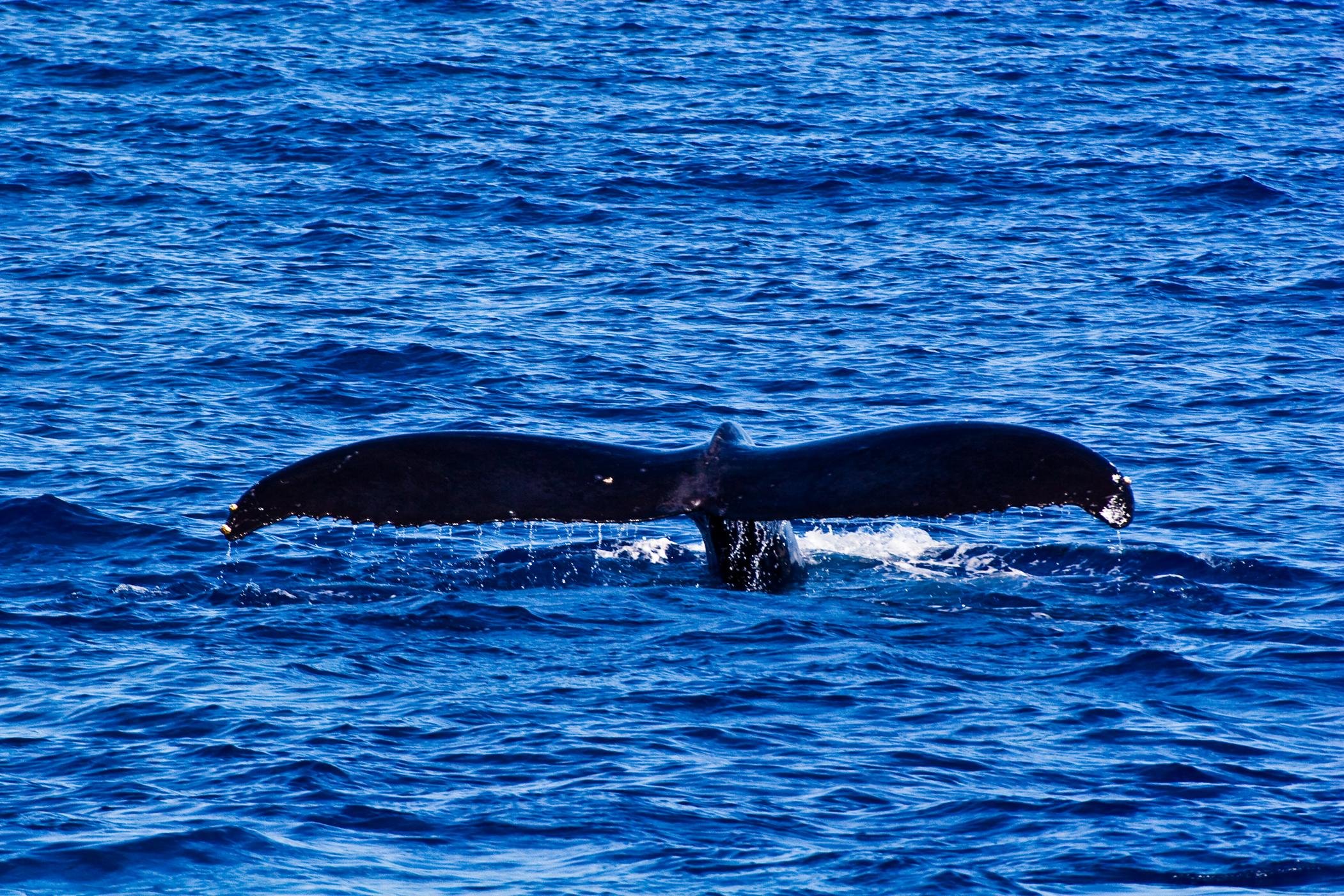
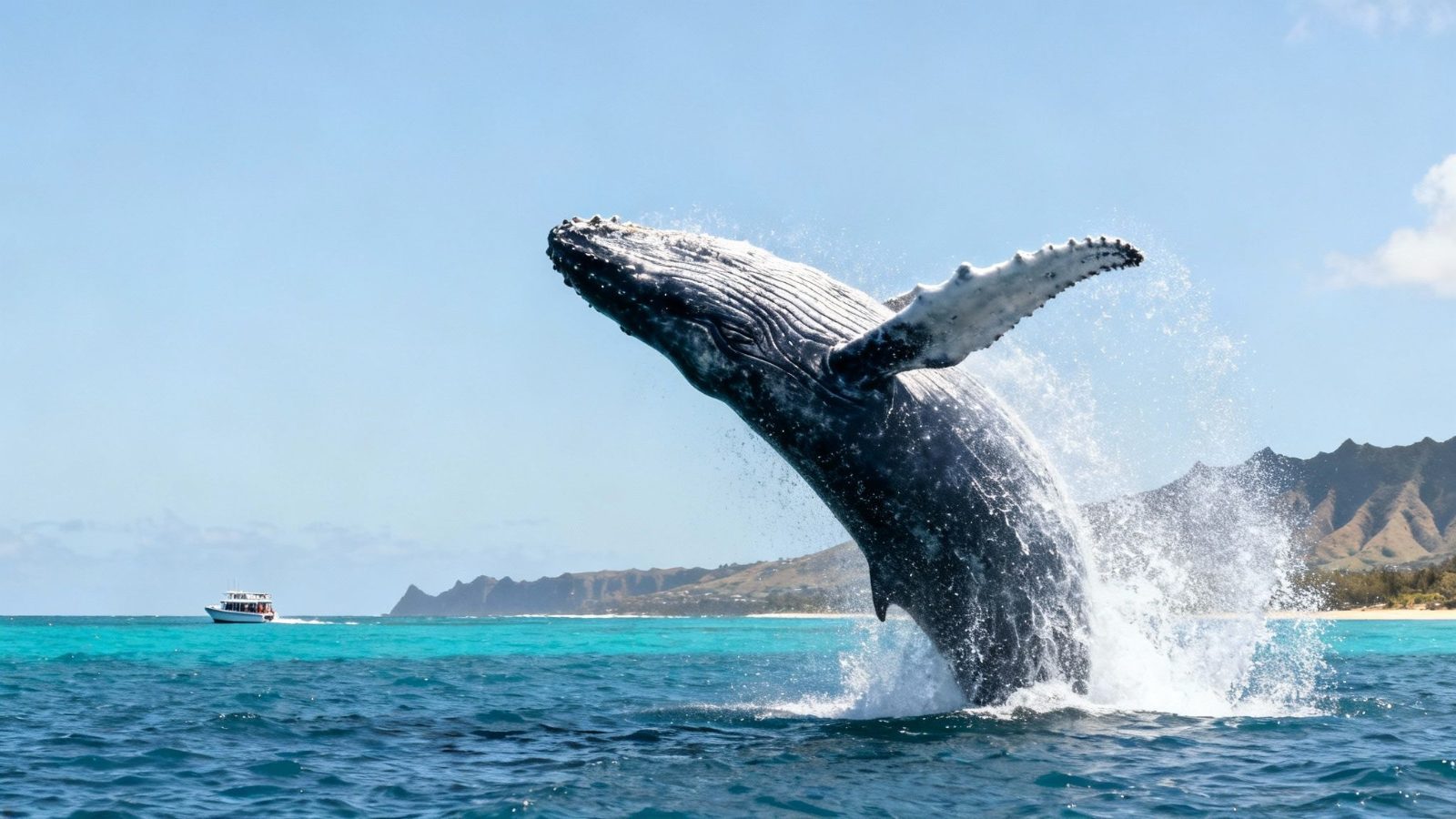
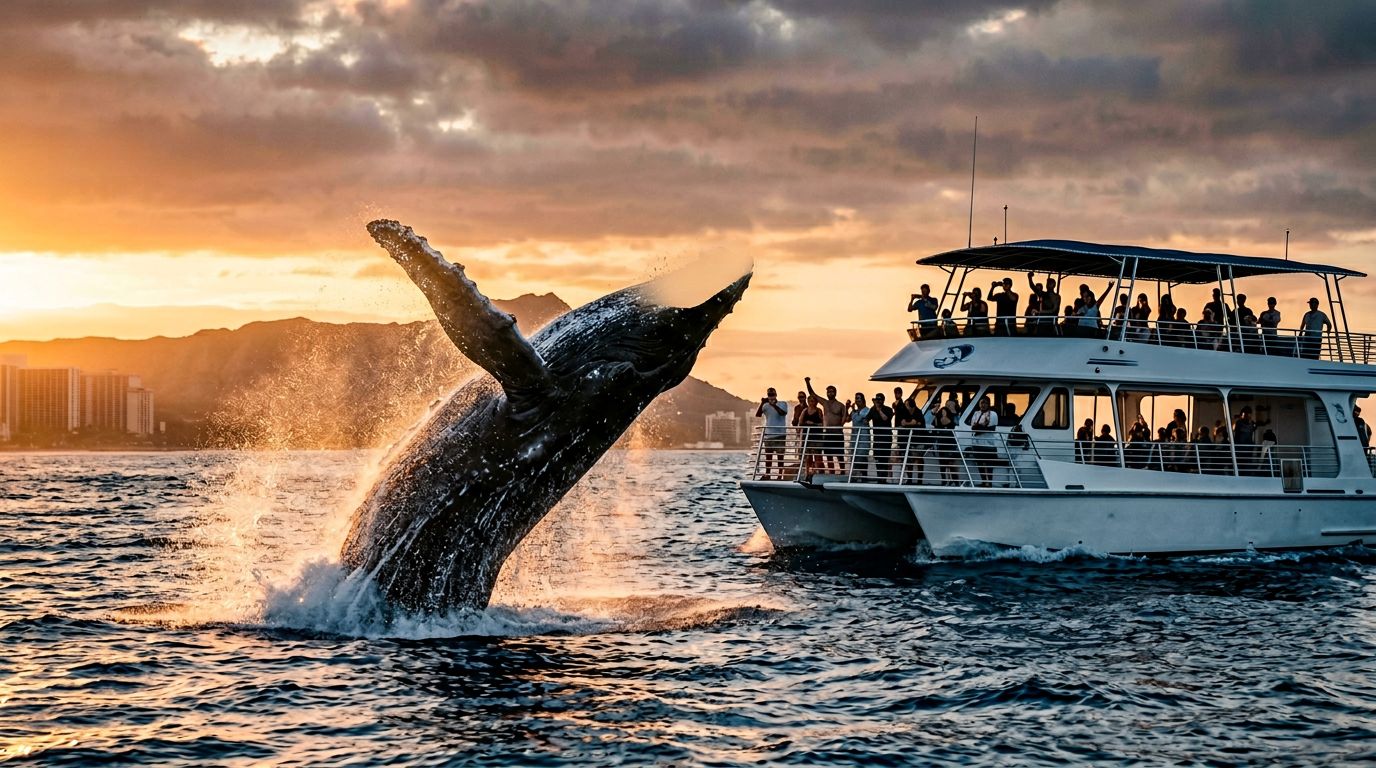
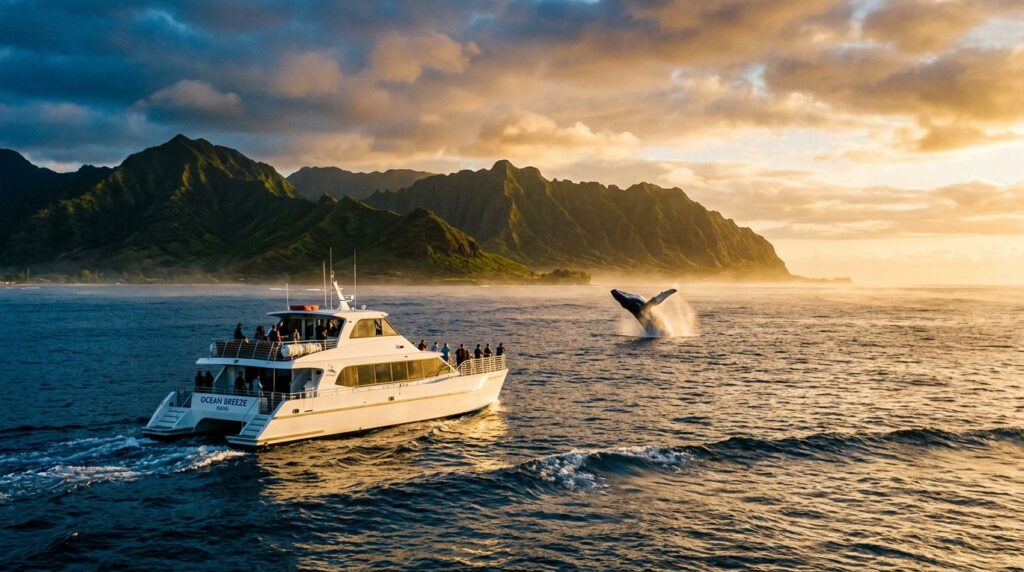
The captain steers south-southwest, paralleling Diamond Head's volcanic profile, while a marine naturalist briefs passengers on humpback anatomy—18-foot pectoral fins, barnacle-encrusted jaws, blowholes that expel mist 20 feet high. Within 15 minutes, the first spout appears: a vertical plume half a mile off the starboard bow. The engines cut. You grip the rail as the whale surfaces, its back glistening black in early light, dorsal fin carving a slow arc before the tail flukes lift—a final salute—and disappear.

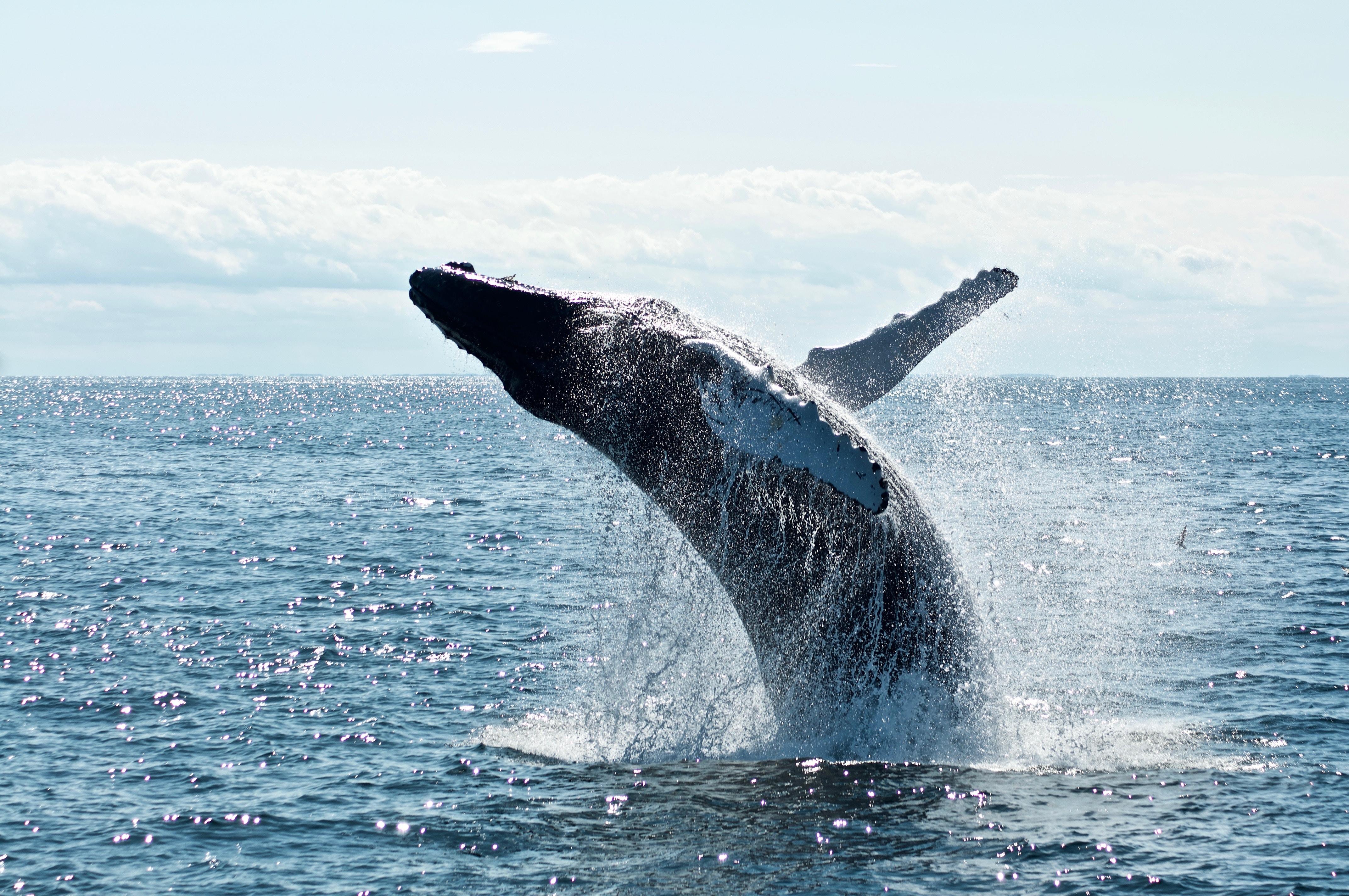
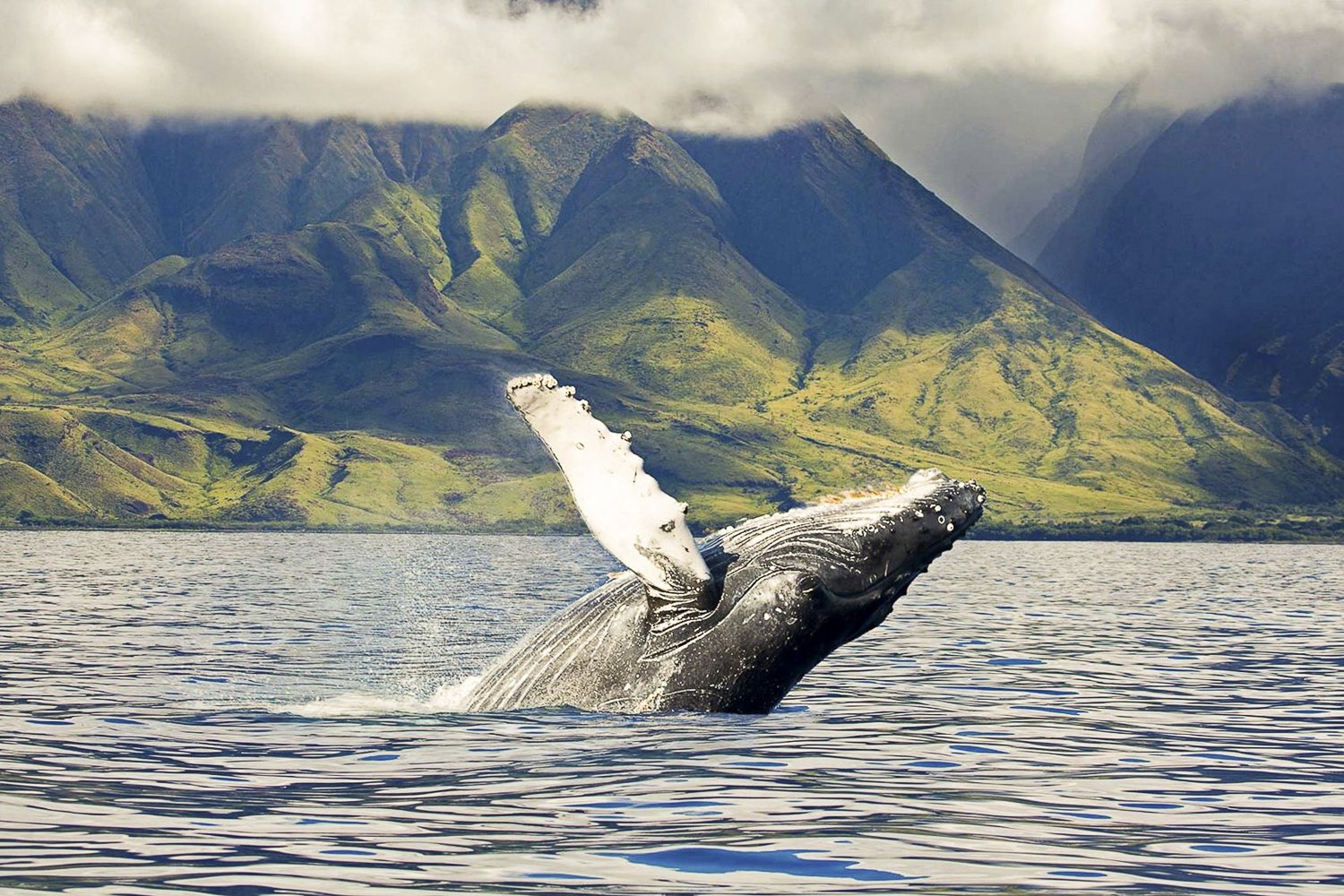
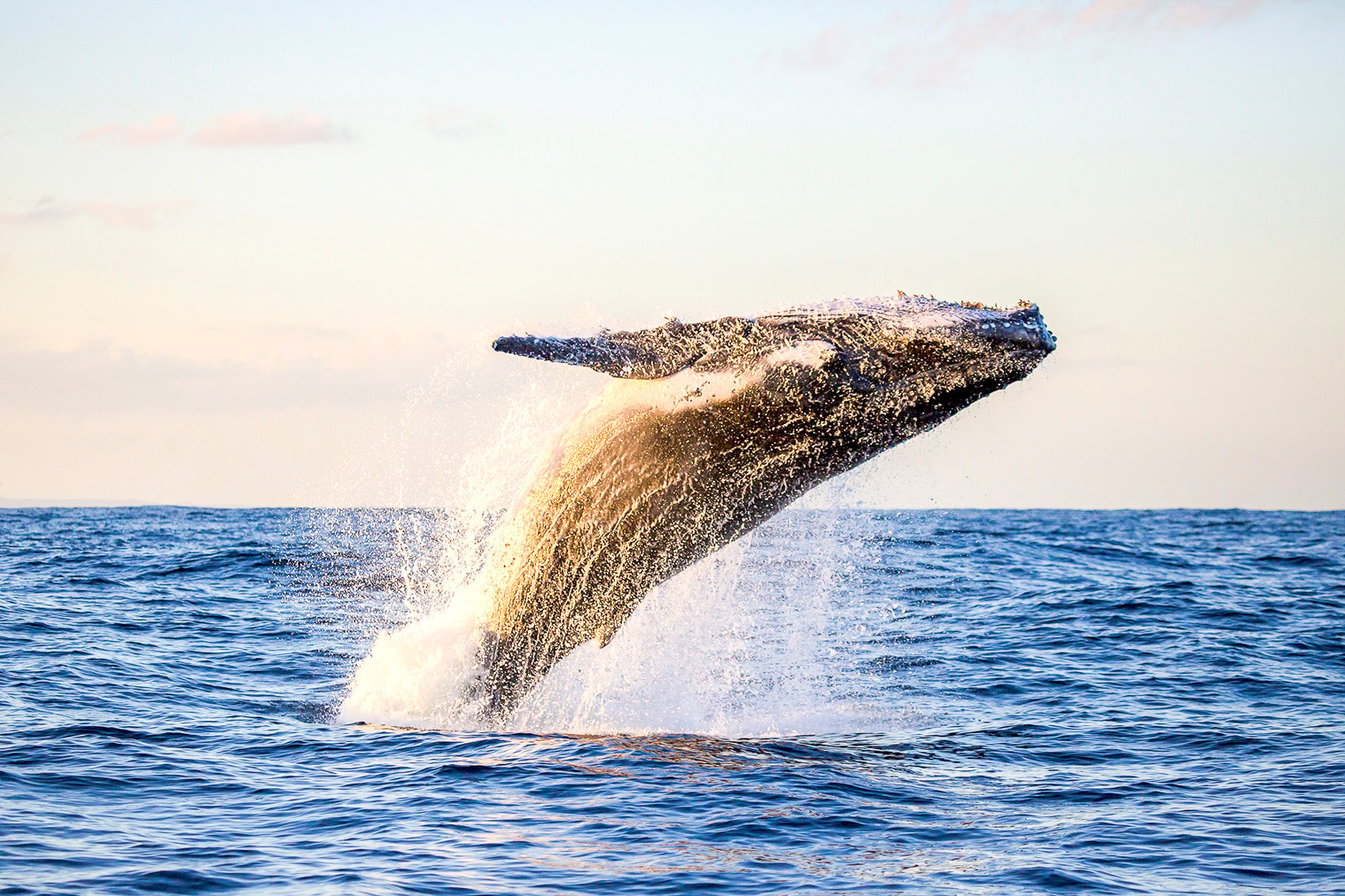
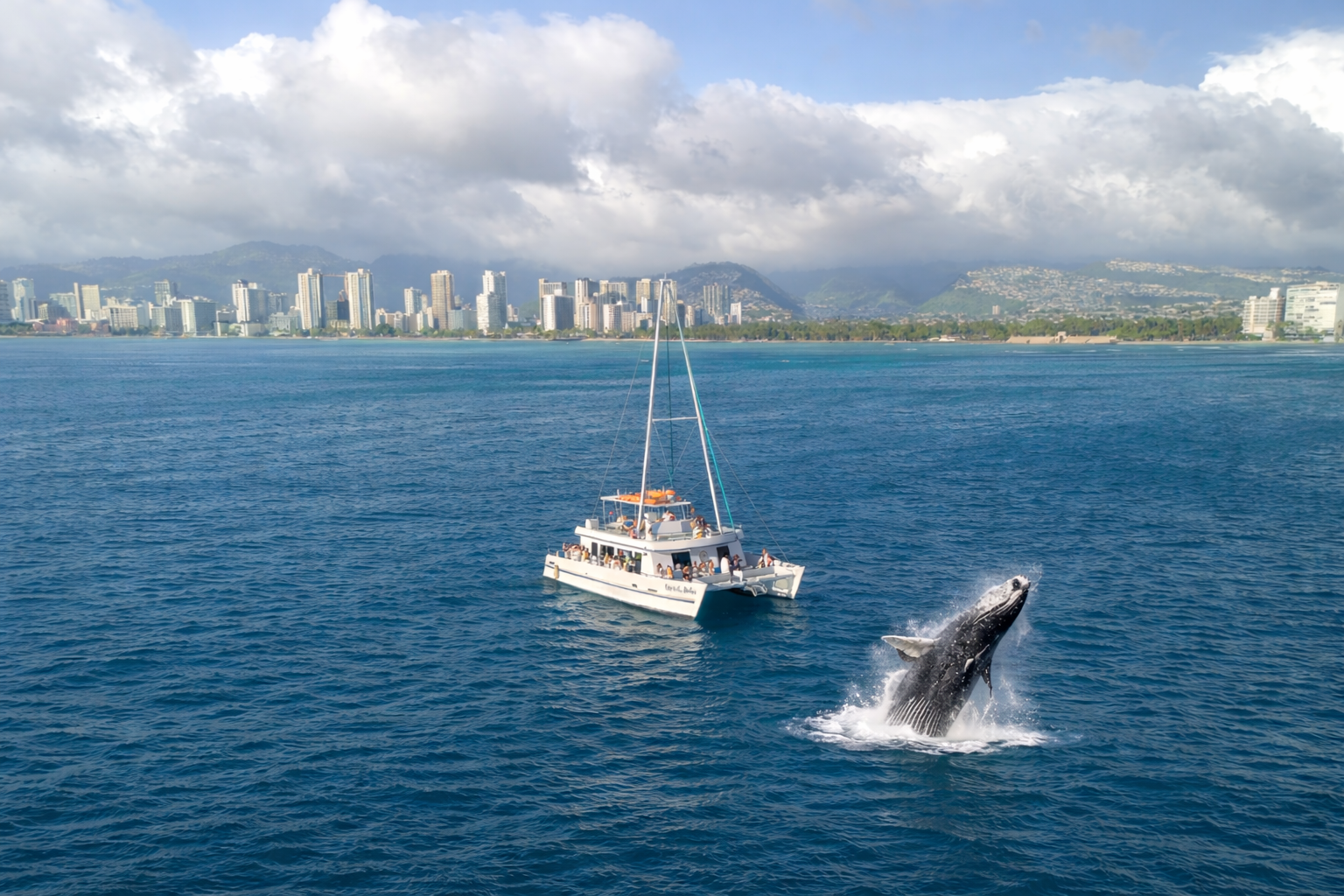
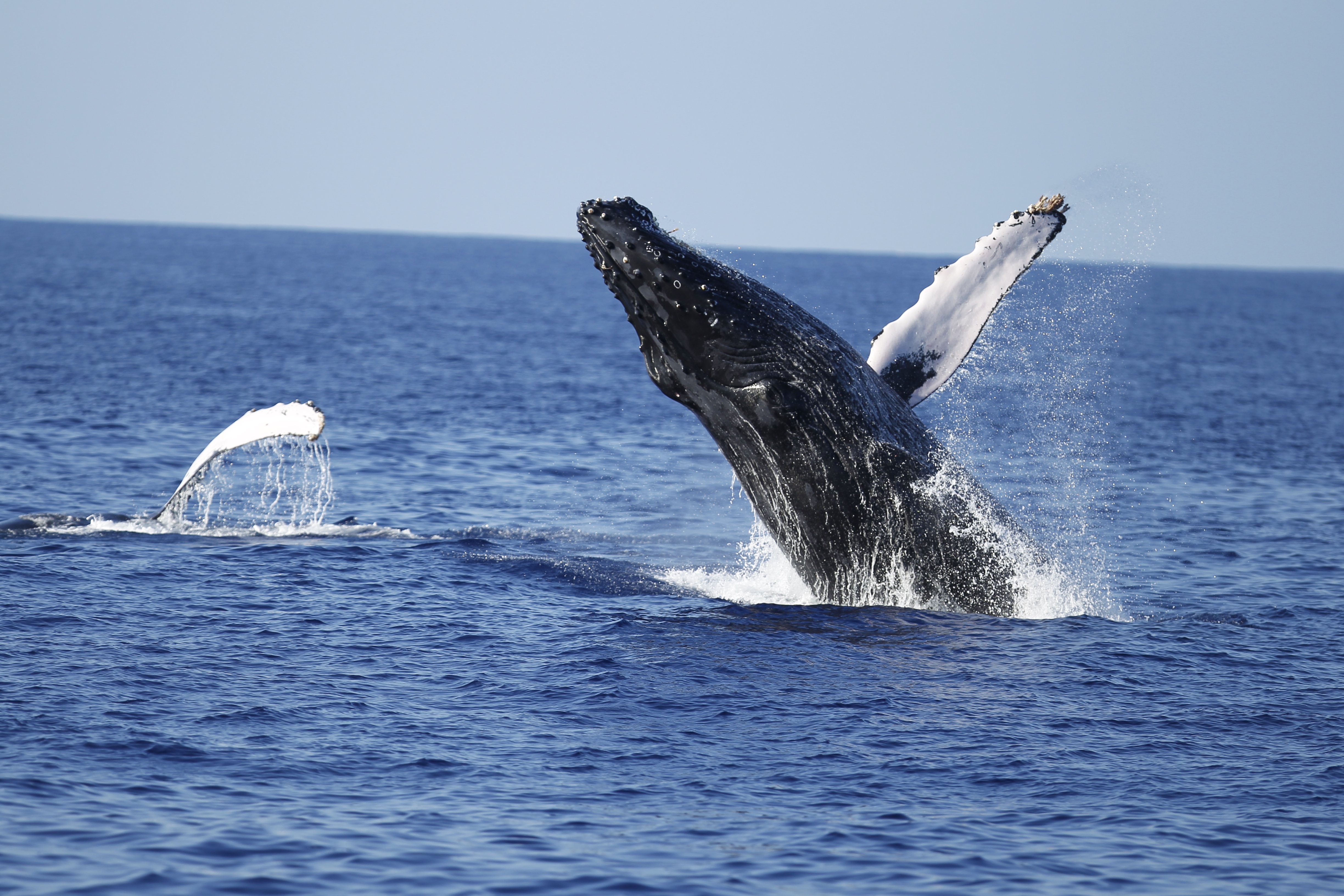
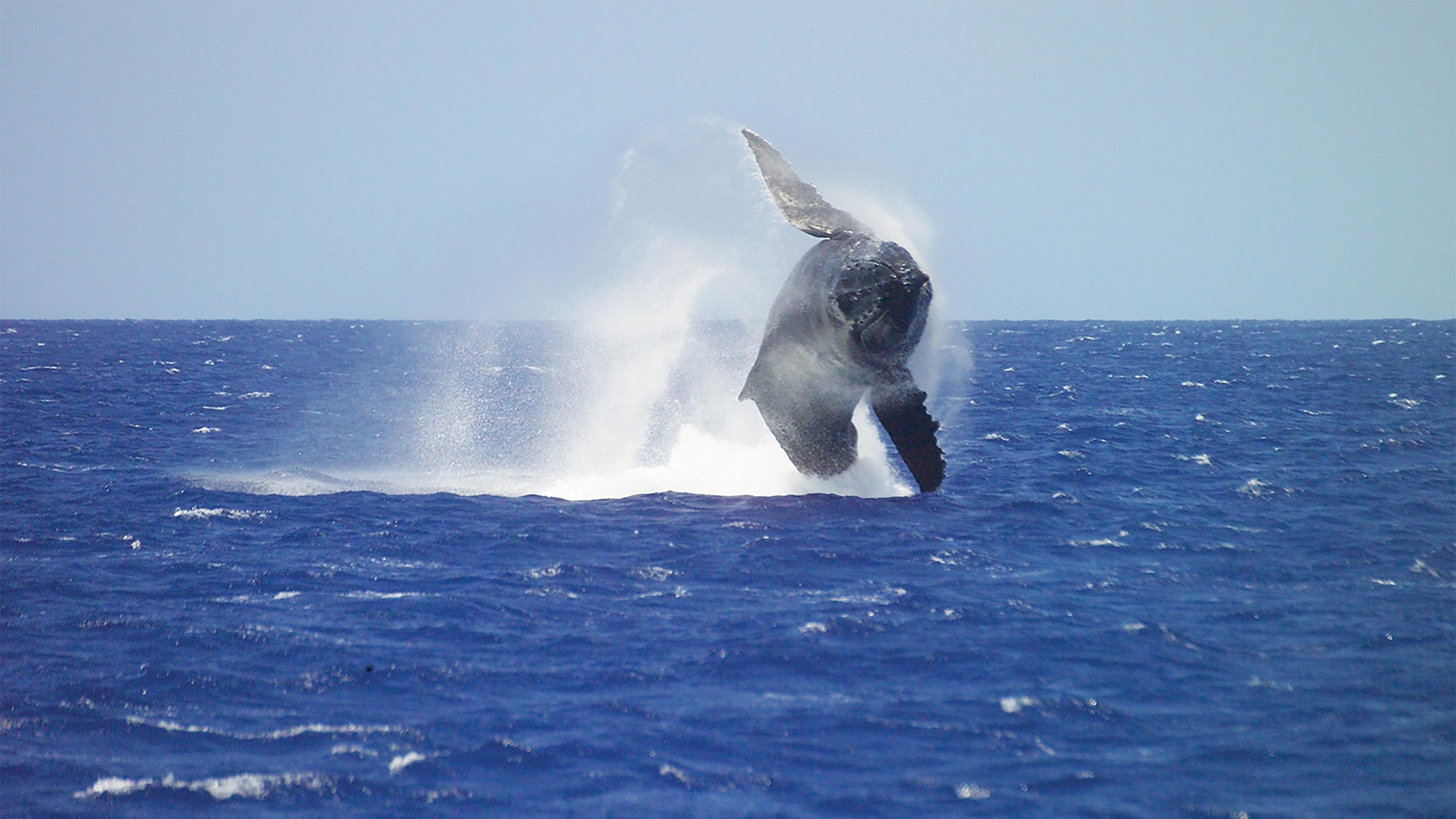
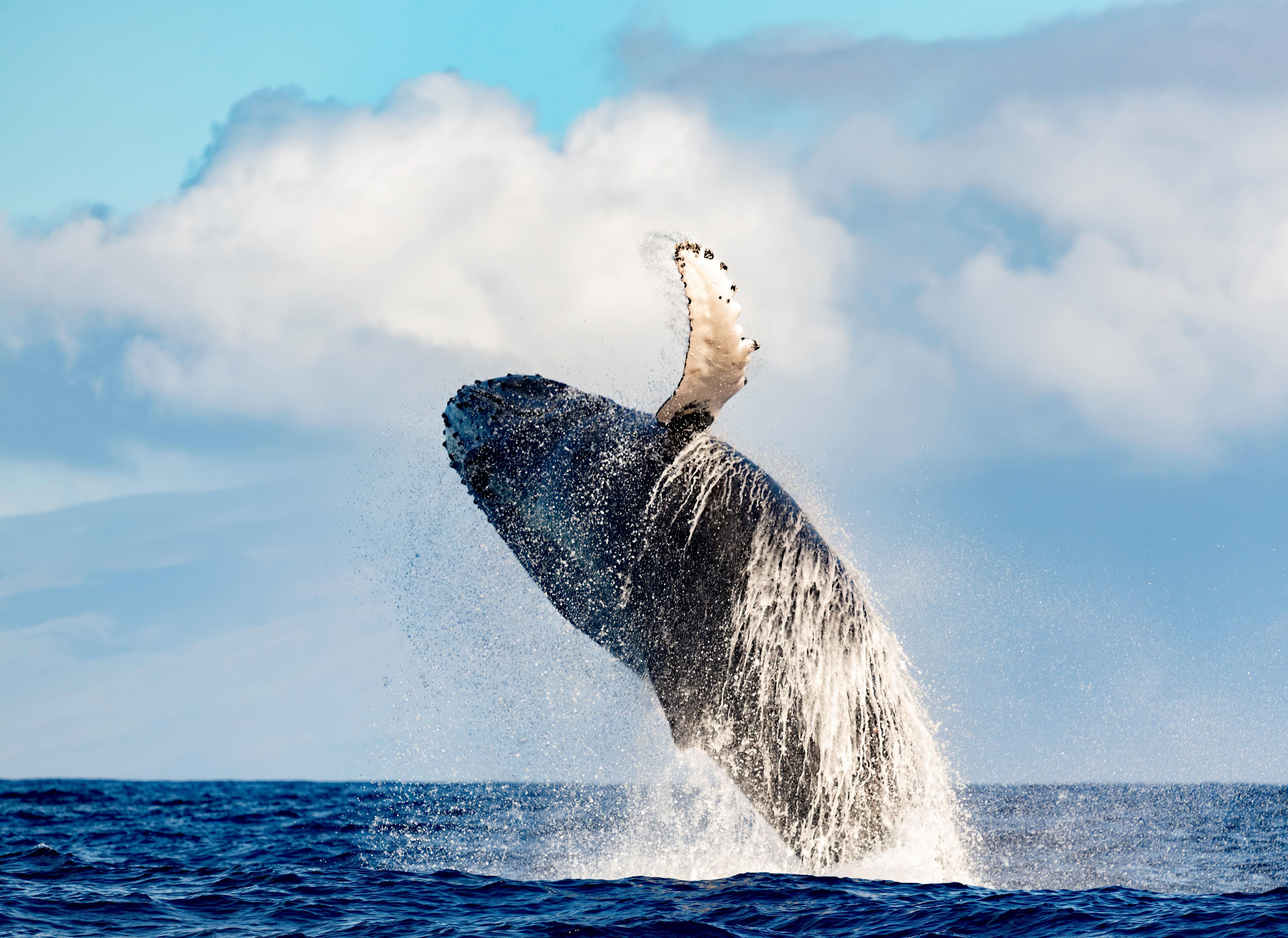
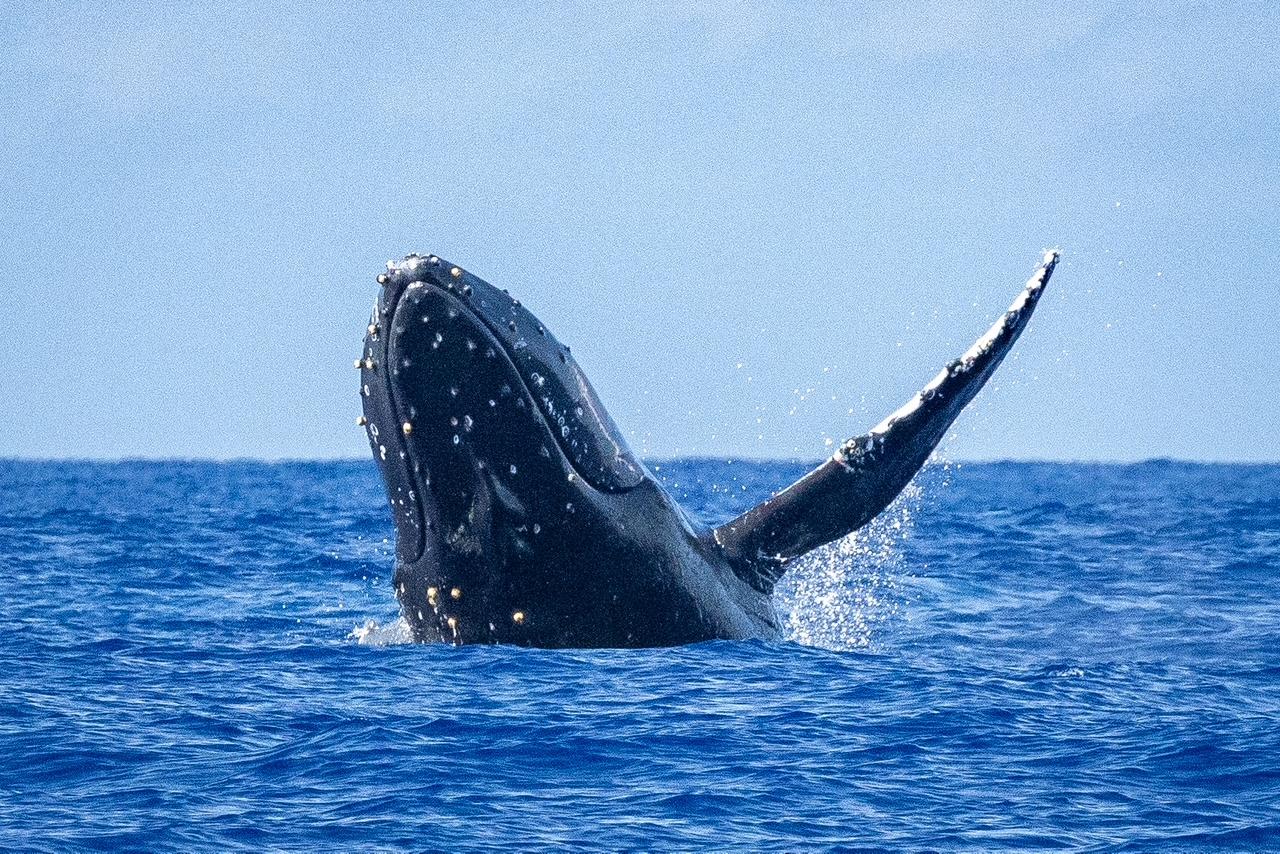
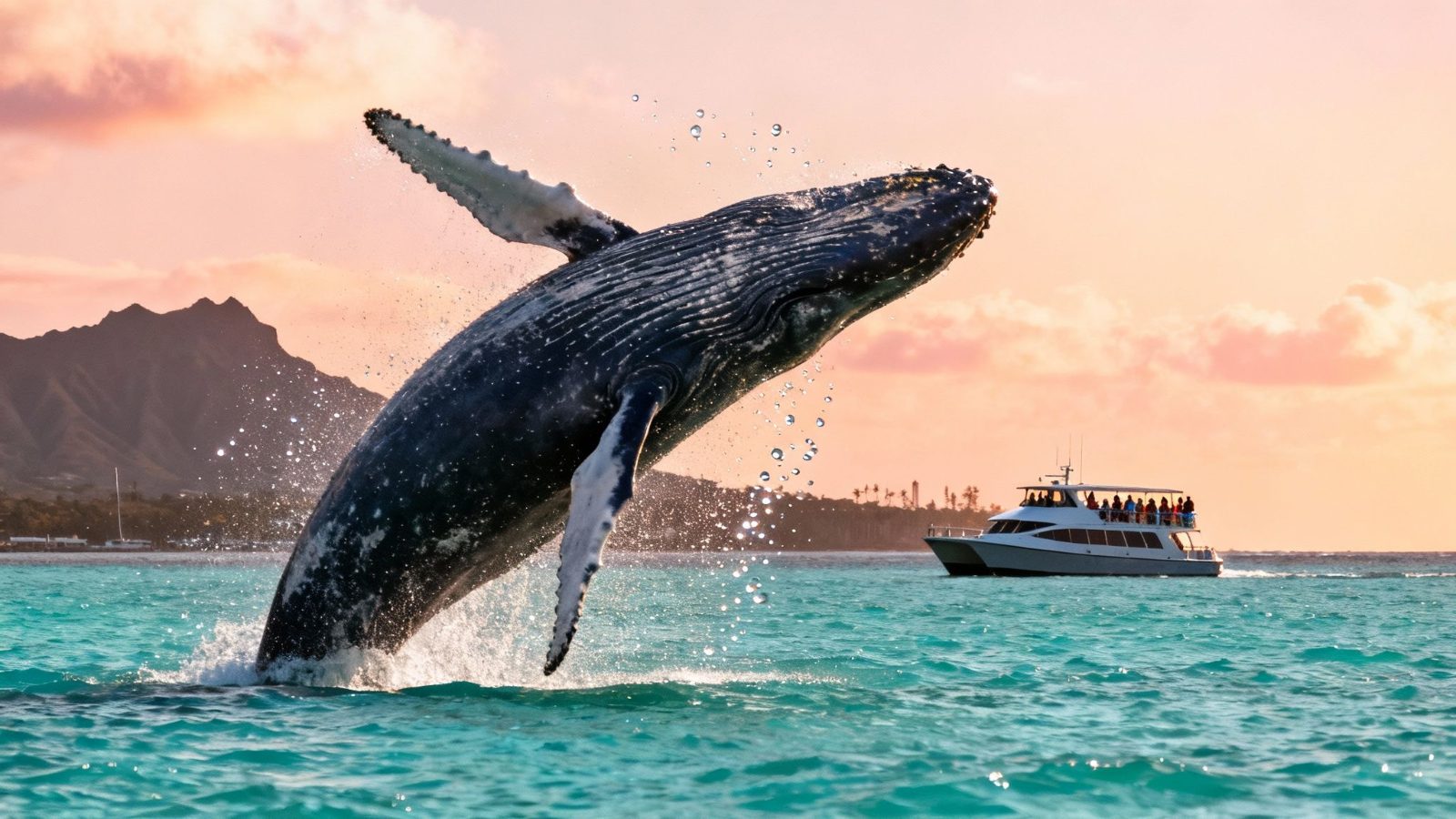
A hydrophone lowers into the water. Speakers crackle, then fill with sound: low moans that pulse through the hull, eerie and whale-specific, each phrase lasting 10 seconds before repeating. The naturalist identifies it as a male's song, likely directed at a female beyond visual range. Another breach—200 yards port side—sends a juvenile humpback fully airborne, twisting mid-flight before crashing back in an eruption of white water. You watch three more surfaces, each closer, until a calf spy-hops directly ahead, its eye visible above the waterline, studying the boat with apparent curiosity before sinking back under.

Oahu Whale Watching Tour
Everything You Need to Know

Your complete Oahu Whale Watching guide

All the details about your upcoming adventure in one place

Every winter, between 10,000 and 12,000 North Pacific humpback whales abandon Alaska's feeding grounds and swim 3,000 miles south to the shallow, warm channels surrounding the Hawaiian Islands.

They arrive in late November, remain through April, and transform Oahu's coastal waters into the most reliable humpback viewing zone in the Northern Hemisphere. The migration is driven by a single biological imperative: calving. Hawaiian waters offer no krill, no herring, no sustenance at all for adult whales—mothers fast for months while nursing newborns that gain 100 pounds per day on milk that is 45 percent fat.

Oahu's whale watching infrastructure centers on three departure points: Kewalo Basin Harbor in Honolulu, the Waikiki shoreline, and Waianae Harbor on the western coast. Kewalo serves the largest catamarans—triple-deck vessels carrying 100 passengers, equipped with hydrophones that broadcast whale vocalizations in real time. Waikiki operators deploy smaller crafts, often glass-bottom boats that allow simultaneous surface and submerged observation. West Oahu sails depart from Waianae, where the leeward coast's calmer conditions and proximity to deeper channels increase encounters with competitive pods—groups of male escorts pursuing a single female, breaching and tail-slapping in violent displays that send 40-ton bodies airborne.

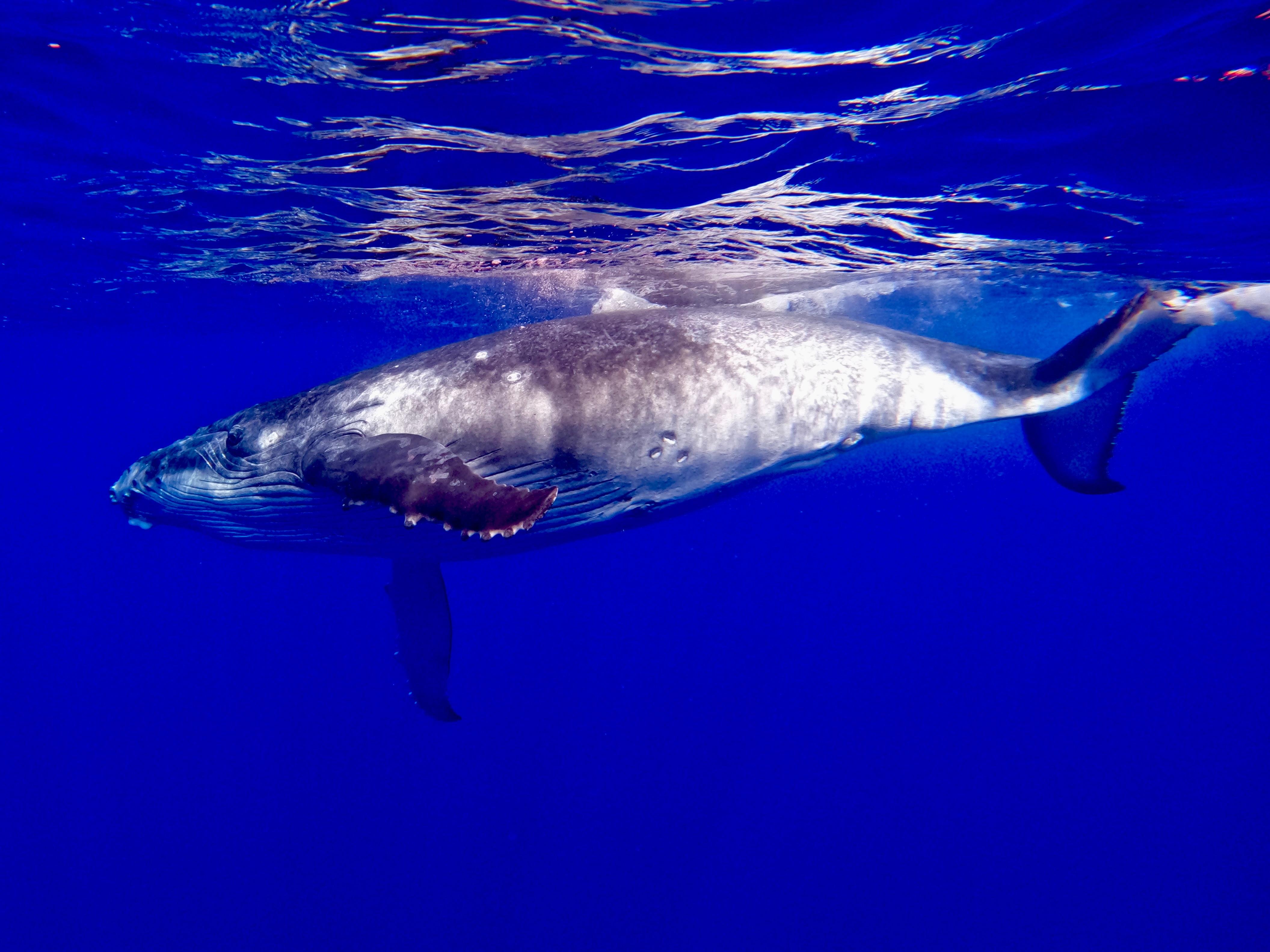
Federal law mandates a 100-yard buffer between vessels and whales, but humpbacks routinely approach boats on their own terms. Calves, curious and unschooled in human avoidance, surface within arm's reach. Mothers demonstrate spy-hopping—a vertical rise that lifts the head clear of the water—to assess threats. The deeper behavioral complexity, though, unfolds underwater. Males sing—hour-long compositions of moans, cries, and chirps that carry 20 miles through the ocean, each phrase repeated in strict sequence, each population singing the same song in a given season. Hydrophone-equipped tours let passengers eavesdrop on these acoustics, a reminder that whale watching is as much auditory as visual.

Marine biologists staff most commercial departures, narrating breach mechanics and identifying individual whales by fluke patterns. Oahu's humpback population is cataloged: researchers photograph tail undersides, which bear unique pigmentation and scarring, then cross-reference sightings across decades. Some whales return to Hawaiian waters every year; others skip seasons. The North Pacific population, decimated to fewer than 1,000 individuals by 1960s whaling, now exceeds 21,000—a conservation success still monitored by NOAA's Hawaiian Islands Humpback Whale National Marine Sanctuary, which designates Oahu's southern and western coasts as critical habitat.


Calves gain 100 pounds per day on milk that is 45 percent fat, yet mothers fast for months in Hawaiian waters that offer no sustenance.

Dress code

Wear layers including a windbreaker, as ocean breezes can be cool even on sunny days. Sturdy sandals or closed-toe shoes are recommended for safety on wet boat decks.

Bags & security

Pack light for your oahu whale watching tour tour as storage space is limited. Keep electronics in waterproof bags to protect them from ocean spray.

Photography

Bring a camera with a zoom lens or binoculars to capture distant humpback whales. Polarized sunglasses help reduce glare on the water for better viewing during your oahu whale watching tour.

Families & strollers

Safety briefings are conducted before every oahu whale watching tour, making it an educational experience for children. Age restrictions vary by operator, typically starting at 5 years old.

Accessibility

Many vessels require ability to navigate small steps or gangways, so please confirm specific requirements before booking your oahu whale watching tour.

Food & drink

Water is often provided, but guests are encouraged to bring light, nutritious snacks. Check if your oahu whale watching tour includes breakfast or sunset hors d'oeuvres.

Not allowed

× Non-reef-safe sunscreen × Large suitcases × Excessive gear × Alcoholic beverages (unless permitted by operator) × Dangerous objects × Illegal substances × Drones × Pets

What to bring

✓ Reef-safe sunscreen ✓ Light jacket ✓ Hat with chin strap ✓ Polarized sunglasses ✓ Camera ✓ Seasickness remedies

Opening hours

Mon 07:00–18:00
Tue 07:00–18:00
Wed 07:00–18:00
Thu 07:00–18:00
Fri 07:00–18:00
Sat 07:00–18:00
Sun 07:00–18:00

How to get there

At a glance

Opening hours

07:00–18:00 daily

Address

Kewalo Basin Harbor, Honolulu, HI 96813

Accessibility

Varies by vessel; contact your oahu whale watching tour operator regarding ramp access.

Best arrival

07:00–11:00 for calmest sea conditions

Storage

Limited dry storage available on most vessels

Navigation

Located between Ala Moana Beach Park and Kaka'ako

Cancellation policy

Most operators require at least 48 hours notice for a full refund on your oahu whale watching tour tickets. Cancellations due to weather are typically eligible for a full refund or rescheduling at 0 USD fee.

Plan your time

Planning Your Oahu Whale Watching Tour Timing

Recommended time

3-4 hours

Most excursions last between three and four hours to ensure ample time for marine mammal observation in their natural habitat. Travelers booking an oahu whale watching tour should account for check-in procedures at departure points like Kewalo Basin Harbor before boarding the vessel. Those purchasing oahu whale watching tour tickets may need to arrive earlier than their departure time to secure a preferred spot on the deck. While these boat-based expeditions vary in length, reserving a morning slot allows for a smoother Pacific Ocean experience compared to the potentially choppier afternoon waters.

Crowd levels through the day

07:00–09:00 Light
09:00–11:00 Moderate
11:00–13:00 Heavy
13:00–15:00 Moderate
15:00–18:00 Light
The story

The history of Oahu Whale Watching

Commercial whale watching in Hawaiian waters began in 1975 when a single catamaran departed from Lahaina Harbor on Maui, carrying curious visitors who had read about humpback whales migrating to breed in the warm channels. By 1979, operators on Oahu recognized the untapped potential of the Kaiwi Channel and launched seasonal oahu whale watching tour departures from Kewalo Basin Harbor. These early excursions ran December through April, timed to the annual humpback migration from Alaskan feeding grounds. Federal protection arrived in 1992 when Congress designated the Hawaiian Islands Humpback Whale National Marine Sanctuary, establishing 100-yard approach limits and engine-idle zones that reshaped how captains maneuvered near pods. The industry nearly collapsed in 1997 when a rogue operator violated sanctuary regulations, prompting emergency hearings and threatening blanket restrictions on all commercial vessels. The Hawaiian Marine Tourism Association responded by drafting voluntary conduct codes that exceeded federal minimums, requiring crew naturalist training and limiting group sizes. By 2004, these self-imposed standards became the template for NOAA's sanctuary-wide permitting system. Technological shifts arrived in the 2010s as hydrophones allowed passengers to hear whale songs in real time, transforming passive observation into acoustic immersion. GPS tracking and spotter networks improved sighting success rates, with reputable oahu whale watching tour tickets now advertising 80-percent encounter guarantees during peak season. Today's operations blend marine education with strict conservation protocols. Captains coordinate sightings via VHF radio to prevent vessel crowding, while onboard naturalists explain breach behavior and tail-slap communication. The sanctuary's long-term monitoring data, collected partly through tour operator logs, documents steady population recovery. Shore-based viewing from Makapuu Lighthouse and Diamond Head remains free, but chartered oahu whale watching tour tours offer closer proximity under sanctuary guidelines. The tradition that began with a handful of boats now moves tens of thousands of visitors annually through one of the Pacific's most regulated whale habitats.

1975

First commercial whale watching tour departs from Lahaina Harbor on Maui.

1979

Oahu operators begin seasonal departures from Kewalo Basin Harbor targeting humpback migration.

1992

Congress establishes Hawaiian Islands Humpback Whale National Marine Sanctuary with vessel approach limits.

1997

Industry crisis prompts voluntary conduct codes after regulatory violations threaten blanket restrictions.

2004

NOAA adopts industry self-regulation framework as official sanctuary permitting system.

2010s

Hydrophone technology and GPS tracking become standard on commercial whale watching vessels.

2020s

Sanctuary monitoring data documents sustained humpback population recovery in Hawaiian waters.

Photo spots

Best photo spots at Oahu Whale Watching

Kewalo Basin Harbor Main Pier

Kewalo Basin Harbor Main Pier

Best light · Before 09:00

Stand near the edge of the floating docks to capture the arrival and departure of your oahu whale watching tour vessel against the backdrop of the Honolulu skyline.

Gallery

Moments from Oahu Whale Watching

With kids

Family Logistics for an Oahu Whale Watching Tour

Bringing your family on an oahu whale watching tour can be a highlight of your island vacation, provided you choose the right vessel and departure time to keep everyone comfortable. Preparing for the unique rhythm of life at sea helps ensure a smooth experience for children and adults alike.

Strollers

Strollers are not permitted on board as vessels lack space for them; bring a baby carrier for hands-free boarding and better mobility on docks.

Age Recommendations

Most operators welcome children, but age minimums vary by boat, with some tours excluding children under 3; always check specific oahu whale watching tour tour policies before booking.

Motion Sickness

Seasickness is the primary concern for young passengers, so consider choosing morning departures when waters are typically at their calmest, and consult your pediatrician about preventative measures.

Facilities

While most catamarans provide onboard restrooms and shaded areas, smaller speedboats may have fewer amenities; always confirm these details when purchasing your oahu whale watching tour tickets.

Packing Tips

Pack essentials in a zippered day bag rather than a large carrier, including reef-safe sunscreen, hats, light layers for ocean breezes, and water to stay hydrated during your oahu whale watching tour tours.

Food & drink

Where to eat at Oahu Whale Watching

Visitors planning an oahu whale watching tour will find several convenient dining options near Kewalo Basin Harbor. While some guests choose to grab a quick snack before boarding their Honolulu boat excursion, the surrounding area provides diverse local eateries.

Highway Inn Kaka'ako

$15-25

Bistro — 5 min walk

A local favorite serving traditional Hawaiian plates like kalua pork and laulau. It is an excellent choice for a hearty meal before you head out on your oahu whale watching tour tours.

FAQ

Oahu Whale Watching — frequently asked questions

Everything you need to know for your journey

Ready for Adventure?

Join thousands of happy travelers who have discovered this incredible experience

Book Your Experience Now