

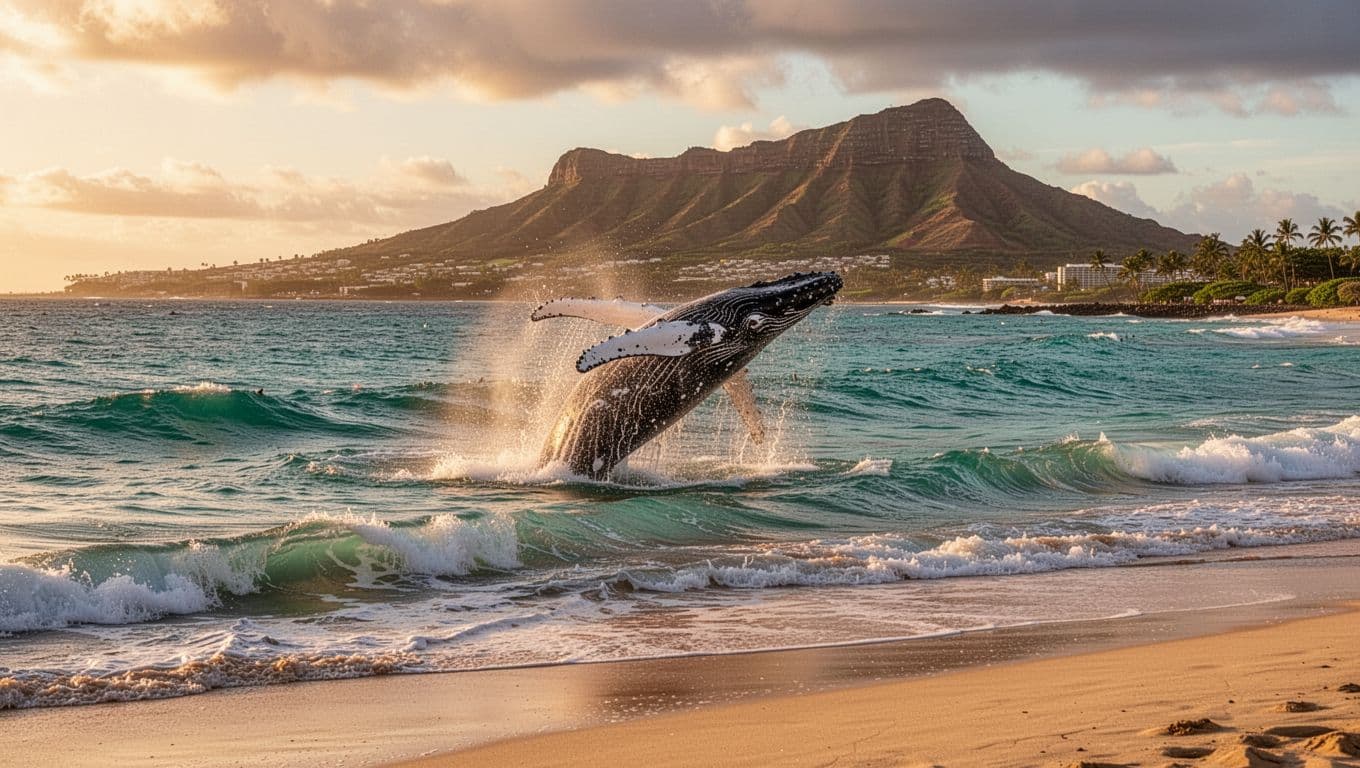
Quick answer
Yes, you can see whales in Oahu between December and May, with peak activity from January through March when humpback whales migrate from Alaska to breed and calve in Hawaiian waters. Shore-based viewing is possible from elevated coastal points along Oahu's southeastern and windward coasts, particularly during morning hours when ocean conditions are calmer. While sightings are never guaranteed, the winter migration brings thousands of humpbacks within a few miles of shore, making Oahu one of the most reliable land-based whale watching locations in the Hawaiian Islands.
Every winter, approximately ten thousand humpback whales travel over three thousand miles from Alaskan feeding grounds to the warm, shallow waters surrounding the Hawaiian Islands—and Oahu's coastline offers some of the most accessible land-based vantage points in the archipelago. The migration is driven by breeding and calving behavior; humpbacks do not feed during their Hawaiian stay, relying entirely on stored blubber reserves accumulated in polar waters. This physiological trade-off explains why the whales favor protected channels and bays where newborn calves can nurse and gain strength before the return journey north. Oahu whale sightings from shore depend on three factors: the observer's elevation, ocean clarity, and the whales' proximity to the coastline. Humpbacks breach, tail-slap, and spyhop as part of communication and navigation rituals, and these surface behaviors become visible from elevated trails and clifftop lookouts. The Makapuu Point Lighthouse Trail on Oahu's southeastern tip provides a two-hundred-foot elevation gain and unobstructed views across the Kaiwi Channel, a corridor frequently used by migrating pods. Binoculars improve identification range, but breaches and pectoral fin slaps are often visible to the naked eye on clear mornings. Whale watching in Oahu centers on humpback whales, the only baleen whale species that migrates to Hawaiian waters in significant numbers. Adults measure forty to fifty feet in length and weigh approximately forty tons; their black dorsal surfaces and white ventral pleats create high contrast against blue water, aiding visual detection. Calves born in Hawaiian waters stay close to their mothers and surface more frequently to breathe, increasing the likelihood of multiple sightings during a single observation session. Spinner dolphins and occasional pilot whales also inhabit Oahu's offshore waters year-round, but neither species engages in the dramatic surface displays characteristic of humpbacks. The reliability of Oahu whale sightings has made shore-based observation a practical alternative to boat-based tours, particularly for visitors prioritizing accessibility and budget. Morning observation sessions align with the whales' activity patterns and coincide with favorable wind and swell conditions. While no coastline guarantees a sighting on any given day, the density of humpbacks in the Kaiwi Channel and Kauai Channel during peak migration weeks means patient observers stationed at elevated viewpoints have strong odds of documenting breaches, fluking dives, or pod movement within a two-hour window.
“Approximately ten thousand humpback whales travel over three thousand miles from Alaska to Hawaiian waters each winter, relying entirely on stored blubber reserves since they do not feed during their stay.”
When Can You See Whales In Oahu: Seasonal and Daily Patterns
The North Pacific humpback whale migration occurs annually between December and May, with peak activity typically observed from February through March. Sightings are most frequent during these months as the whales utilize Hawaiian waters for breeding and calving.
December to May
Moderate to heavyTemperatures 70-80°F; peak migration season.
This is the primary window for whale activity around Oahu. Sightings from both land and sea vessels are most consistent during these months.
February to March
HighTemperatures 70-78°F; water conditions vary.
These months represent the peak of the migration. Increased whale density often results in higher visibility from shore and boats.
Weekday mornings
Low—
Early hours provide calmer ocean surface conditions. Reduced glare and lower wind speeds facilitate easier spotting of whale blows and surface behaviors.
Verdict: The best opportunity to view humpback whales is during weekday mornings throughout the peak months of February and March.
Where Can You See Whales In Oahu: Top Land-Based Viewpoints
While boat tours offer close encounters, several coastal vantage points on Oahu provide excellent opportunities for spotting humpback whales from land. These locations are positioned along migratory corridors where whales often surface within visible range of the shoreline.
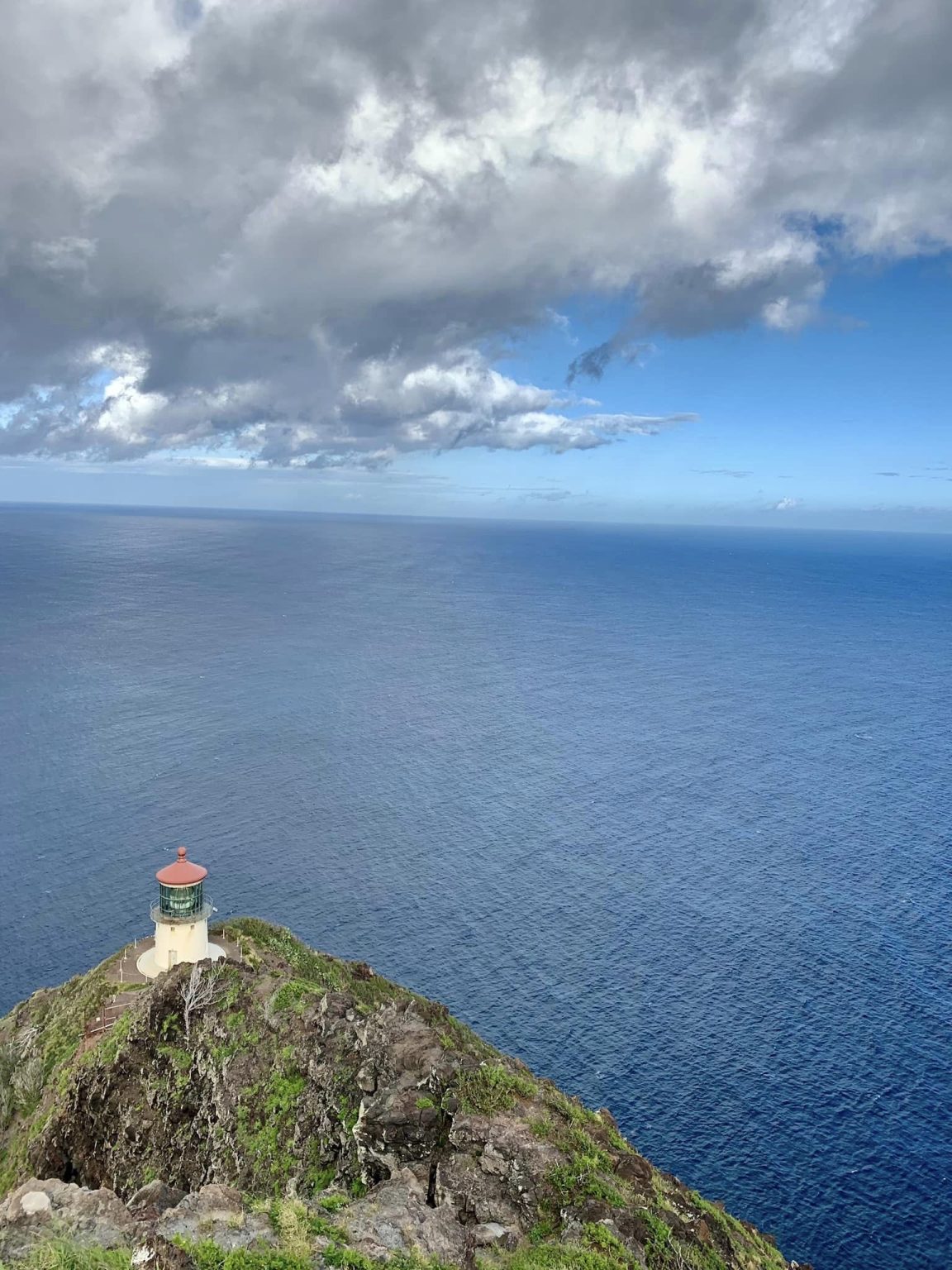
Makapuu Point Lighthouse Trail
This paved trail features multiple lookout points elevated above the coastline, providing wide-angle views of the Pacific Ocean.
Bring binoculars to scan the horizon for whale blows and breaches.
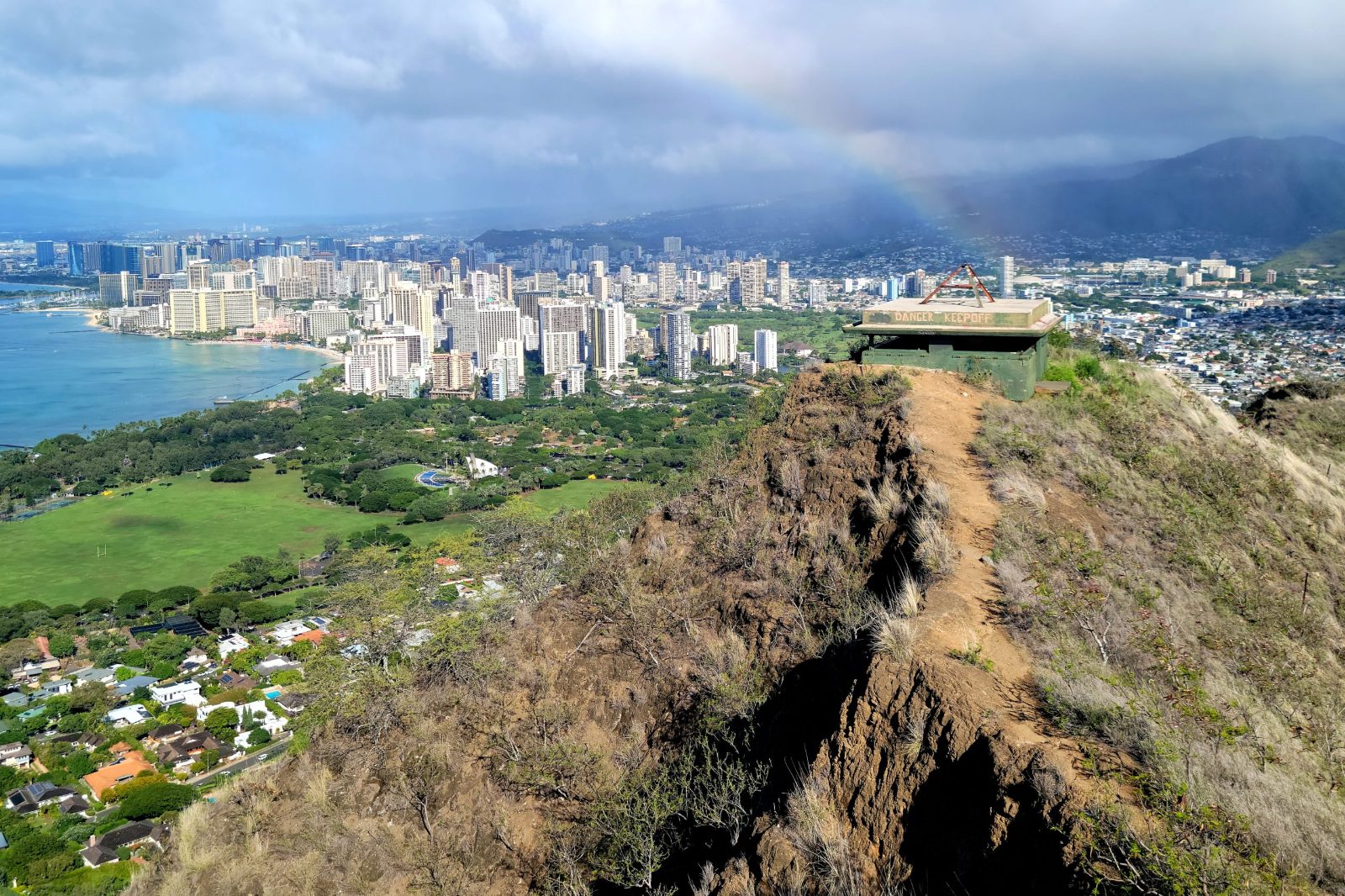
Diamond Head State Monument
From the higher elevations of this volcanic crater, visitors can observe the waters surrounding the southern coastline of Oahu.
Position yourself at the north-facing viewpoints for better sea visibility.
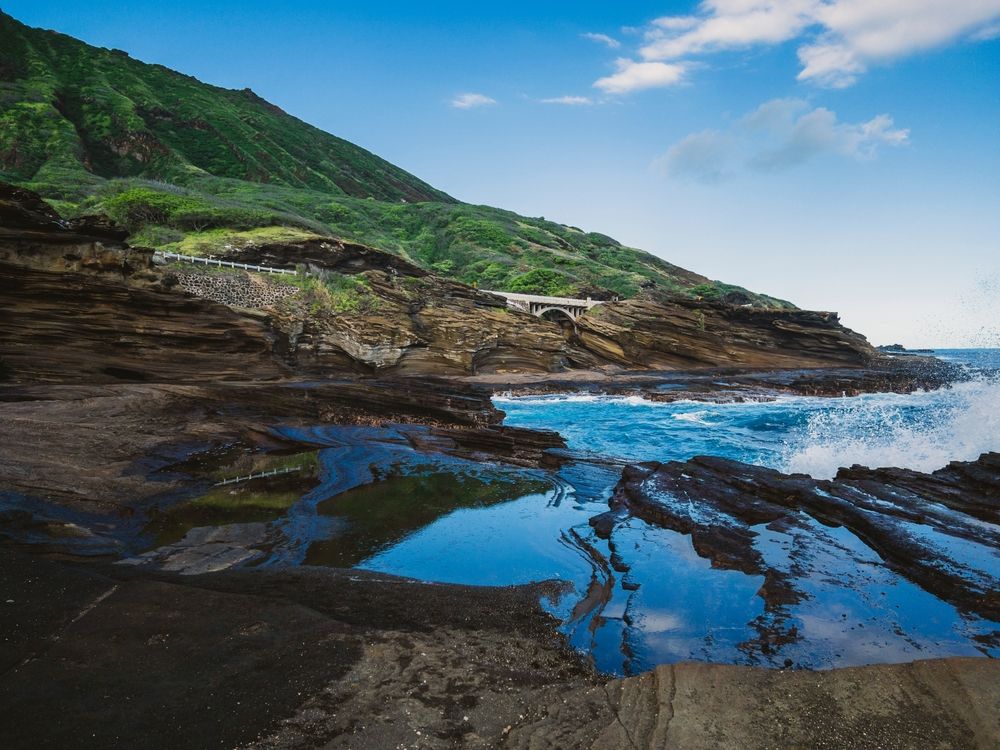
Lanai Lookout
Located off Kalanianaole Highway, this rocky viewpoint offers a direct line of sight to the channel waters where whales frequently travel.
Visit during the early morning hours when surface glare is minimized.
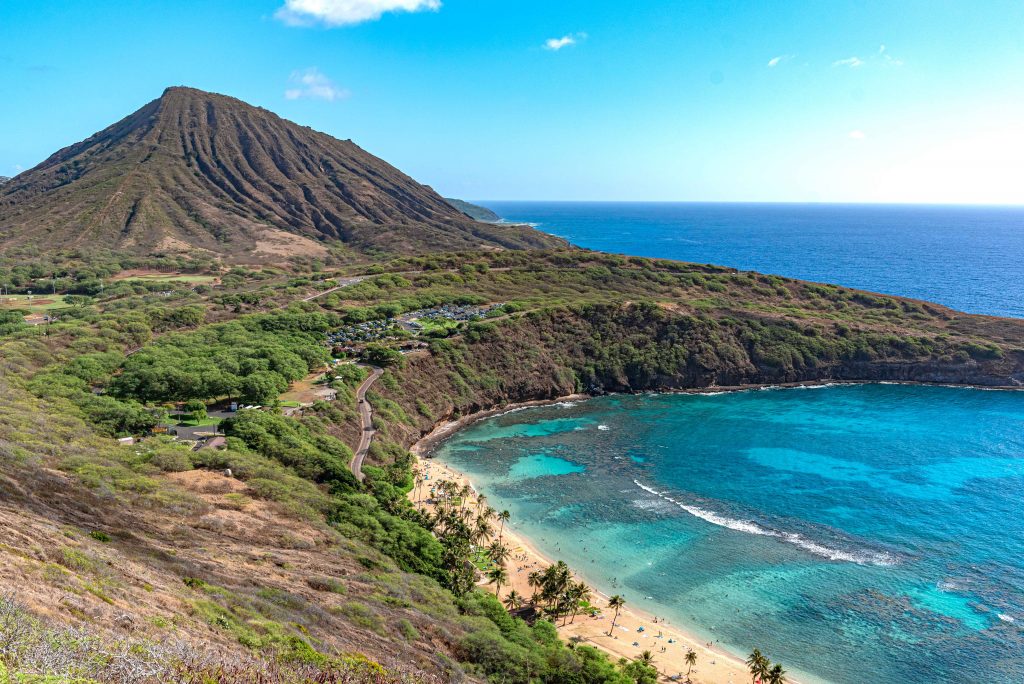
Hanauma Bay Ridge Trail
This trail offers an elevated perspective of the bay and the deep waters beyond the reef line.
Look for white water splashes indicating surface activity far offshore.
Hours To Visit Makapuu When You Can See Whales In Oahu
The Makapuu Point Lighthouse Trail is open daily to the public, providing consistent access for those scanning the horizon for whale activity.
| Monday | 07:00–18:45 | |
|---|---|---|
| Tuesday | 07:00–18:45 | |
| Wednesday | 07:00–18:45 | |
| Thursday | 07:00–18:45 | |
| Friday | 07:00–18:45 | |
| Saturday | 07:00–18:45 | |
| Sunday | 07:00–18:45 |
Is It Free: What You Pay When You Can See Whales In Oahu
Admission costs for whale watching in Oahu depend entirely on your chosen method of observation. Public coastal trails provide whale spotting opportunities at no cost, while commercial excursions set their own market rates.
A typical visitor pays 0 USD to access public trails, while commercial boat tours will vary based on the specific provider selected.
Directions To Locations Where You Can See Whales In Oahu
The primary land-based viewing location is the Makapuu Point Lighthouse Trail, situated along the southeastern coast of Oahu. The most practical approach for visitors is by car via Kalanianaole Highway.
Kalanianaole Highway to Makapuu Point Lighthouse Trail parking lot
TheBus Route 23 to Kalanianaole Hwy + Makapuu Lighthouse Rd
Direct travel to Makapuu Point Lighthouse Trail
Check availability
Frequently Asked Questions About Seeing Whales in Oahu
Everything you need to know about can you see whales in oahu